
THROWAWAY: THE HISTORY OF A MODERN CRISIS
EUROPEAN PARLIAMENT
DESIGN, PRODUCTION OF MOUNTS AND INSTALLATION OF WORKS
2023
The House of European History occupies the extension of the Eastman Building, located in Leopold Park, near the European institutions. Inaugurated in 2017, it offers a platform for reflecting on the global challenges that affect the European Union, addressing them from innovative and transversal perspectives that demand the construction of broad agreements.
The Circular Economy Action Plan promoted the creation of an exhibition focused on issues associated with waste management in European societies during the last two hundred years. Ypunto led the coordination, design and production of a temporary exhibition, an informational website and a catalogue of the show. The development of the project demanded aligning all the discourse, design and materialisation aspects of the exhibition with circular economy principles, plus the active participation of social agents and collaboration with other museums involved in the initiative.
Based on a detailed study of the topic and contributions from the Basurama and Rotor collectives, Ypunto designed a comprehensive narrative strategy that seamlessly integrated the design of the installation, the visual identity, the conceptual discourse and the communicative elements of the exhibition in all its dimensions.
The exhibition concept adapted the existing script to the available spaces. In the entrance hall, visitors were received by a five-metre-high container filled with rubbish thrown away by European Parliament employees. The itinerary continued in the basement, addressing cultural paradoxes about waste, wealth and recycled materials, charting their management from the nineteenth century to the Second World War. On the second floor, the beginning of the consumer era was represented over a pool of electronic waste and products with planned obsolescence. The final section focused on colonial and ecological issues associated with the present economic system, facilitating a broader understanding of the dynamics presented in the exhibition.
The show encouraged audience participation with interactives that allowed visitors to share their opinions about the featured topics, as well as offering them the opportunity to play with, touch and discover different sections of the exhibition. The entire exhibition design was articulated through a vernacular language of the ephemeral, materialised through modules built with scaffolding tubes that accommodated panels of recycled plastic and other elements. The ease of reusing or recycling these elements was coordinated with different local organisations, simultaneously meeting all the conservation requirements established by the lenders of the original objects. Other aspects of the exhibition concerned the copyright management of all the images and reproductions, and the definition of an aesthetic style guide for all the other services linked to the project.
Working in close partnership with Gráfica Futura, Ypunto managed the entire graphic design for the exhibition and coordinated the design and production of the catalogue, including a thorough stylistic review and close monitoring of the production tests.
Lastly, the website acted as a digital mirror celebrating participation and promoting awareness of the topics featured in the exhibition across the entire European Union. Ypunto transferred the creative and narrative concept of this section to the studio Clase BCN, which developed a new visual proposal with the necessary architecture to host a wide variety of contents provided by the different partner institutions. Digiocracy implemented the website and integrated the Parliament's digital tools for their translation into the twenty-four official languages.
https://vimeo.com/837497974?share=copy
Based on a detailed study of the topic and contributions from the Basurama and Rotor collectives, Ypunto designed a comprehensive narrative strategy that seamlessly integrated the design of the installation, the visual identity, the conceptual discourse and the communicative elements of the exhibition in all its dimensions.
The exhibition concept adapted the existing script to the available spaces. In the entrance hall, visitors were received by a five-metre-high container filled with rubbish thrown away by European Parliament employees. The itinerary continued in the basement, addressing cultural paradoxes about waste, wealth and recycled materials, charting their management from the nineteenth century to the Second World War. On the second floor, the beginning of the consumer era was represented over a pool of electronic waste and products with planned obsolescence. The final section focused on colonial and ecological issues associated with the present economic system, facilitating a broader understanding of the dynamics presented in the exhibition.
The show encouraged audience participation with interactives that allowed visitors to share their opinions about the featured topics, as well as offering them the opportunity to play with, touch and discover different sections of the exhibition. The entire exhibition design was articulated through a vernacular language of the ephemeral, materialised through modules built with scaffolding tubes that accommodated panels of recycled plastic and other elements. The ease of reusing or recycling these elements was coordinated with different local organisations, simultaneously meeting all the conservation requirements established by the lenders of the original objects. Other aspects of the exhibition concerned the copyright management of all the images and reproductions, and the definition of an aesthetic style guide for all the other services linked to the project.
Working in close partnership with Gráfica Futura, Ypunto managed the entire graphic design for the exhibition and coordinated the design and production of the catalogue, including a thorough stylistic review and close monitoring of the production tests.
Lastly, the website acted as a digital mirror celebrating participation and promoting awareness of the topics featured in the exhibition across the entire European Union. Ypunto transferred the creative and narrative concept of this section to the studio Clase BCN, which developed a new visual proposal with the necessary architecture to host a wide variety of contents provided by the different partner institutions. Digiocracy implemented the website and integrated the Parliament's digital tools for their translation into the twenty-four official languages.
https://vimeo.com/837497974?share=copy
CLIENT
EUROPEAN PARLIAMENT
TYPE
TEMPORARY EXHIBITION
PROJECT
YPUNTO ENDING
LOCATION
HOUSE OF EUROPEAN HISTORY
AREA
925 m²
PHOTOS
©YPUNTO ENDING
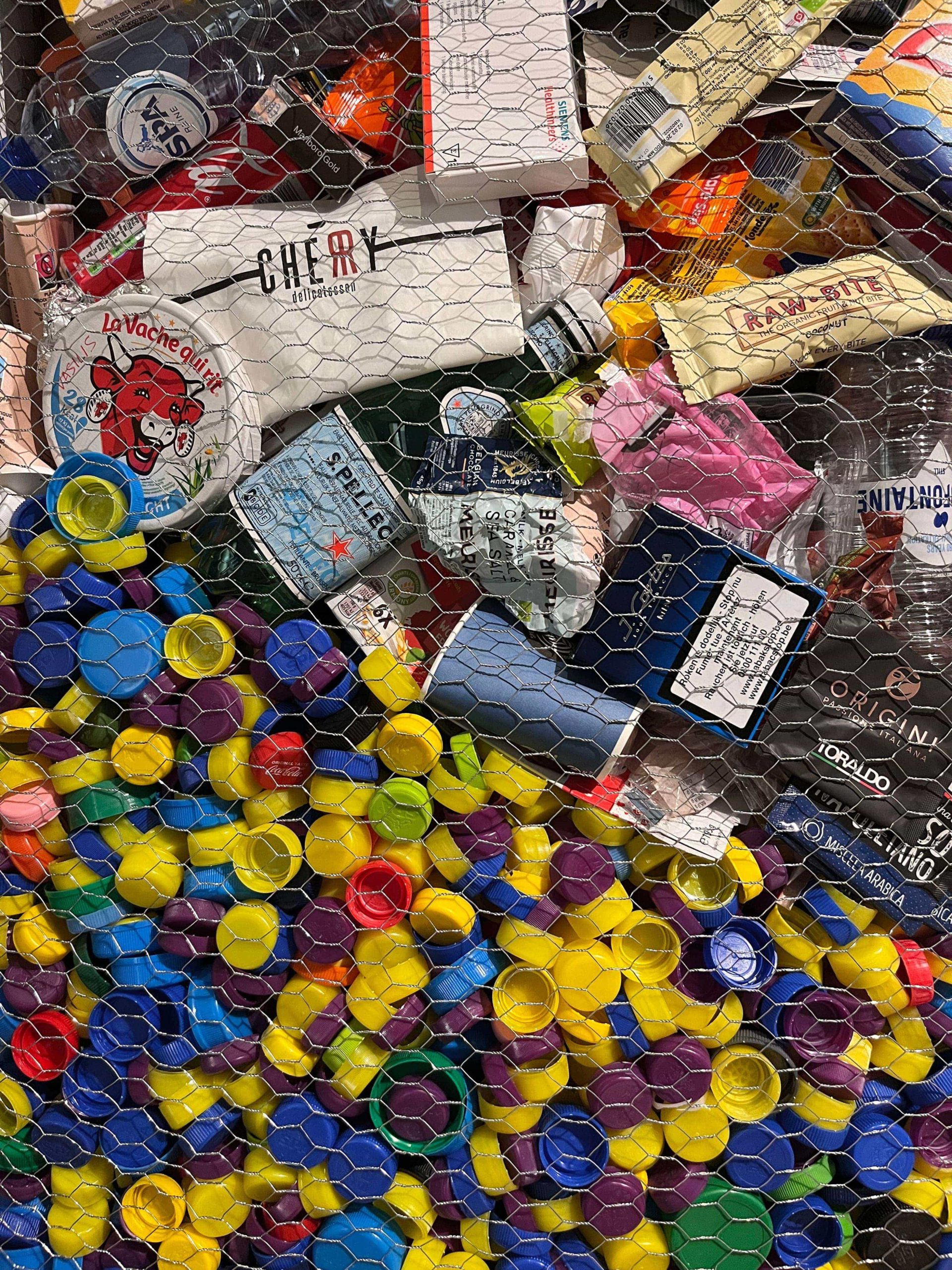
Pieza de la exposición Throaway realizada con residuos de envases
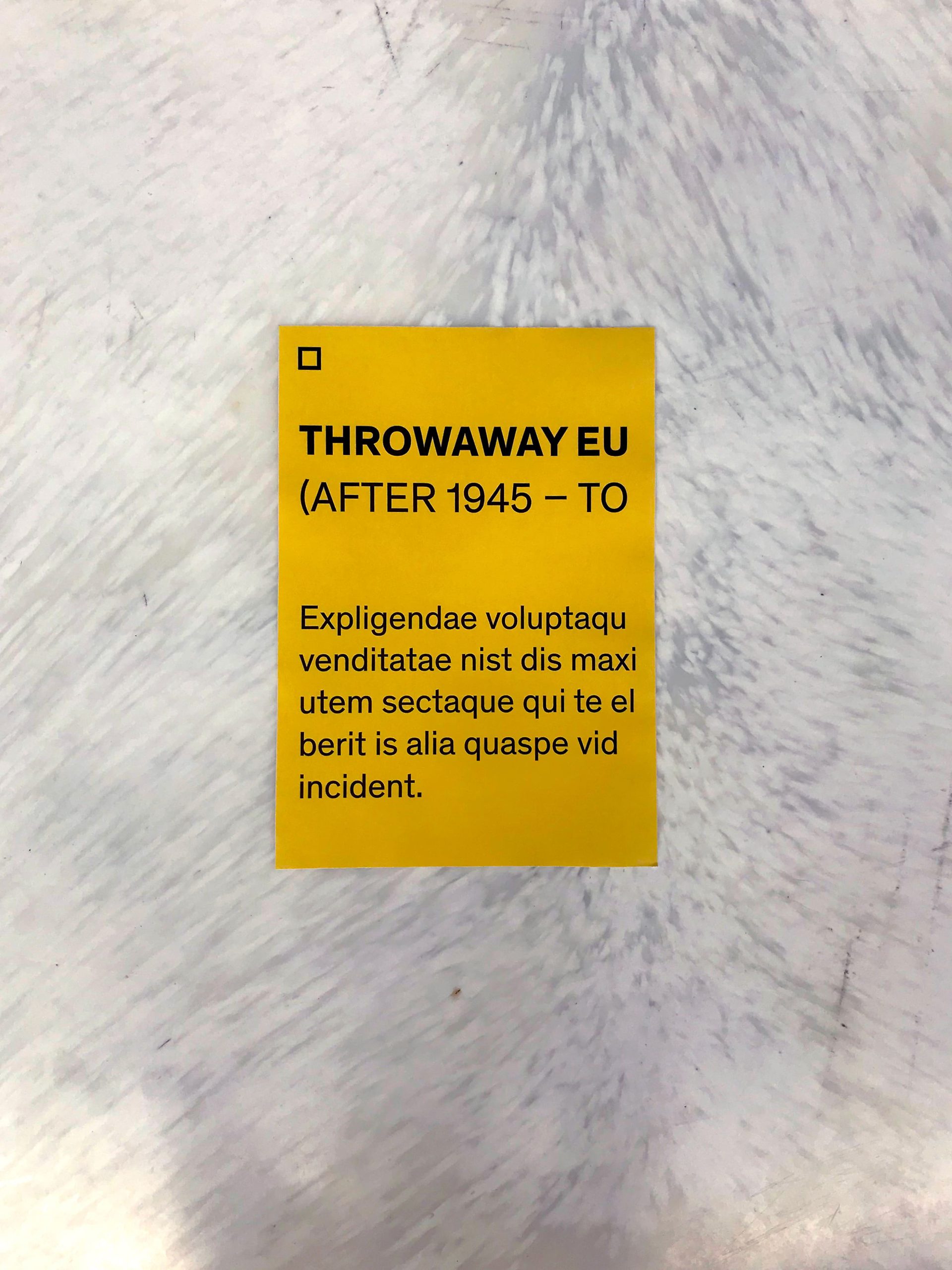
CARTEL CON MENSAJE EN LATíN DE LA EXPOSICIóN THROWAWAY
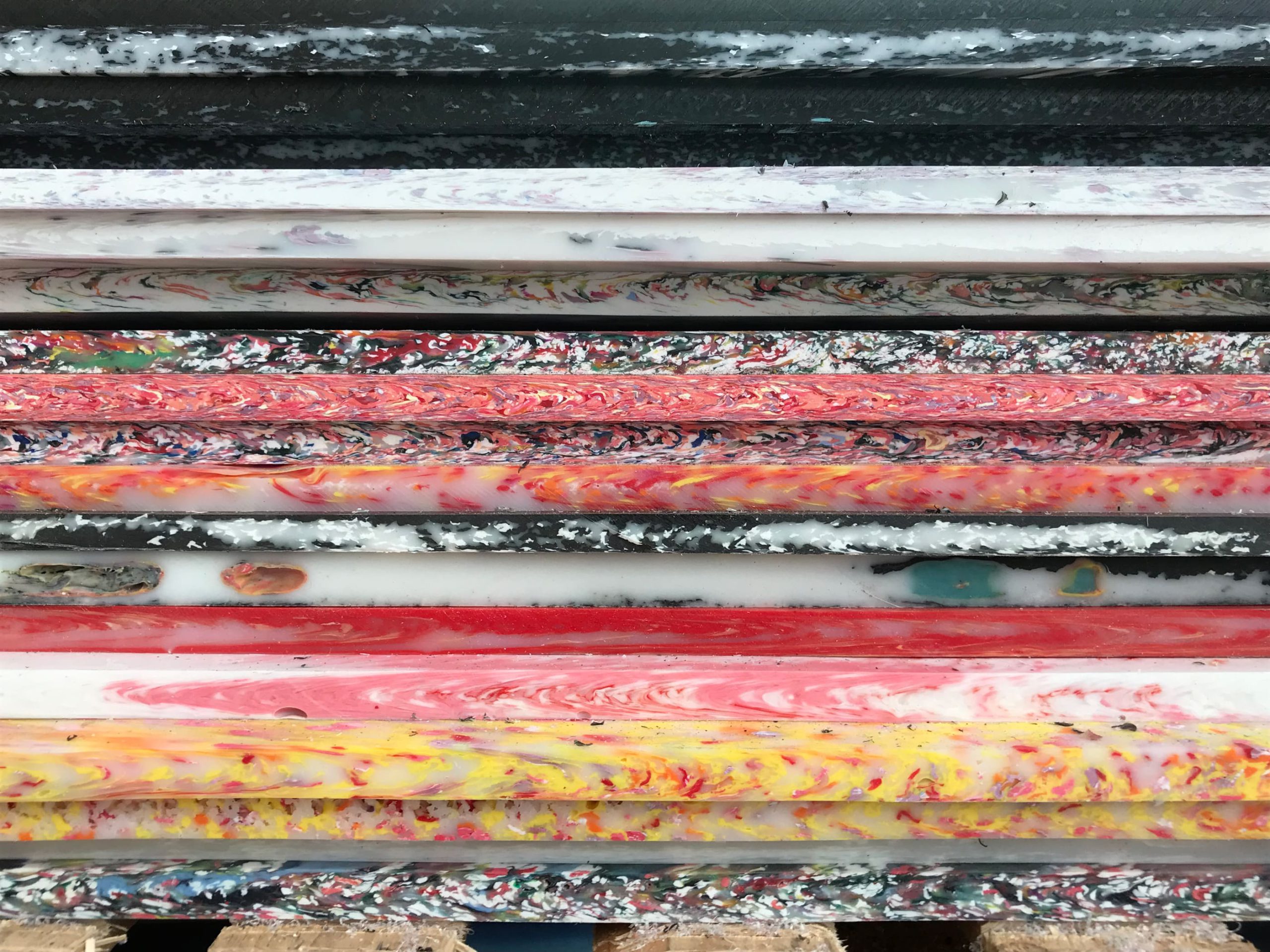
DETALLE DE MATERIALES RECICLADOS DE LA EXPOSICIóN THROWAWAY
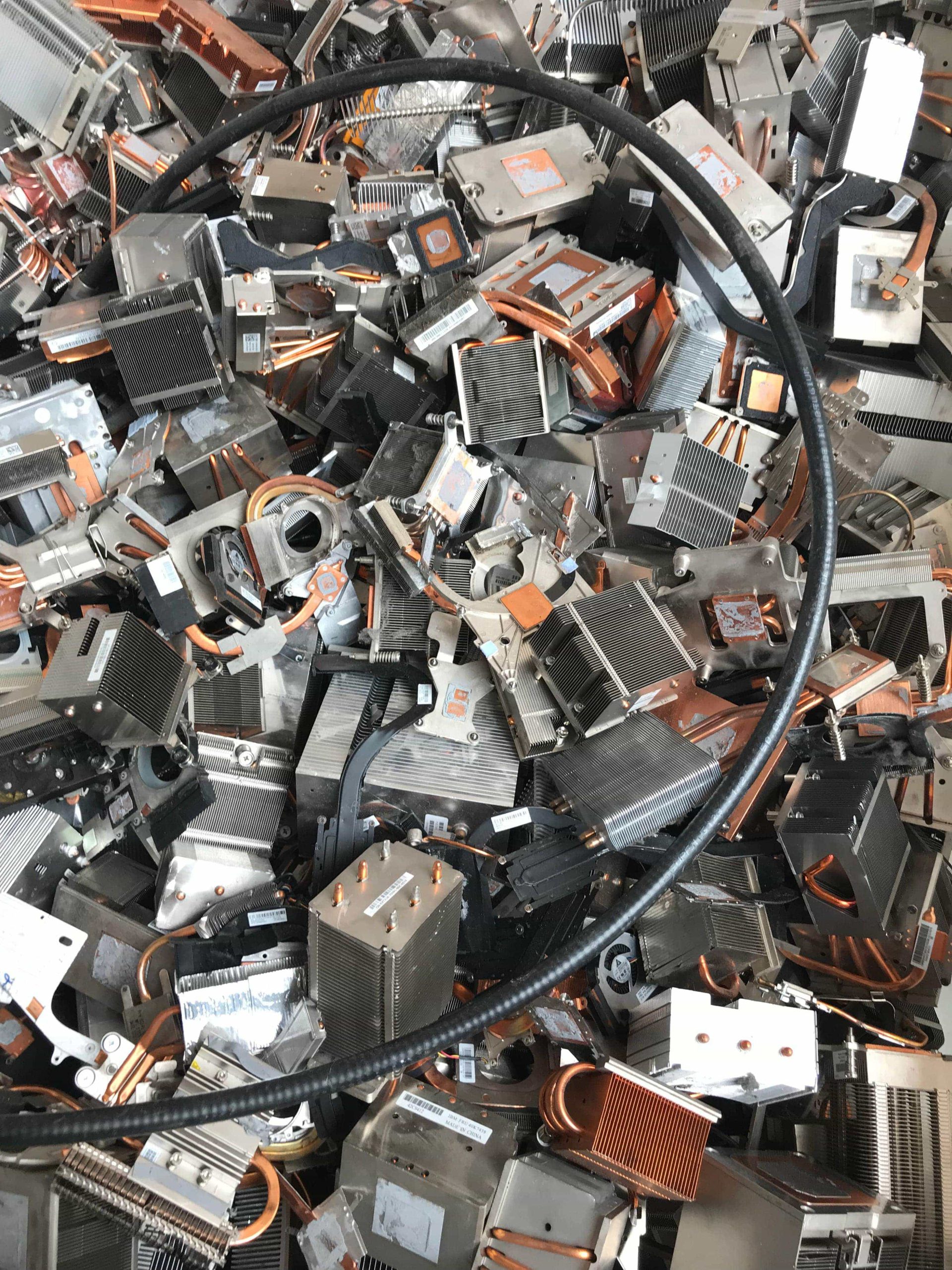
DETALLE DE RESIDUOS METáLICOS DE LA EXPOSICIóN THROAWAY
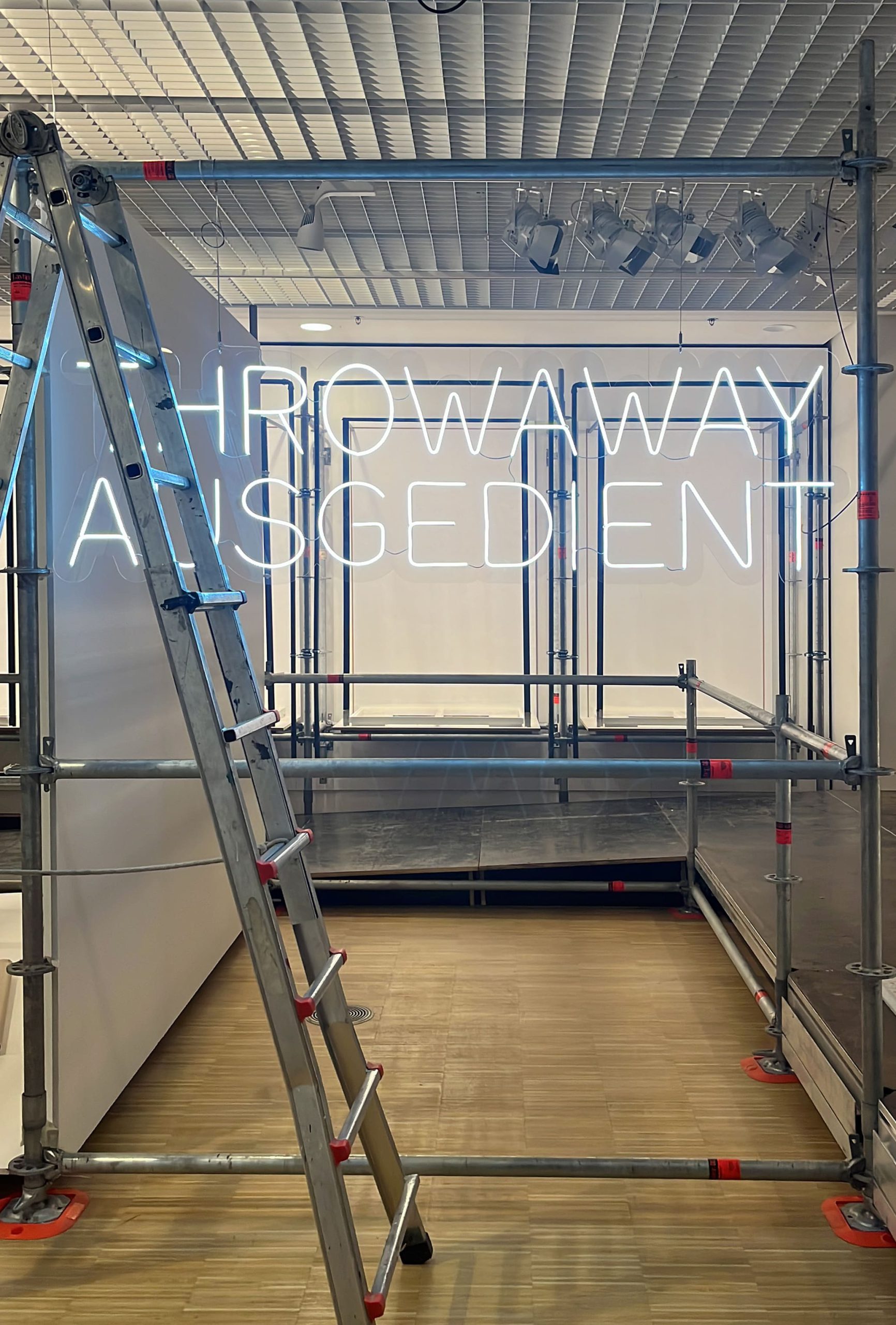
LETRERO DE NEóN DE LA EXPOSICIóN THROAWAY
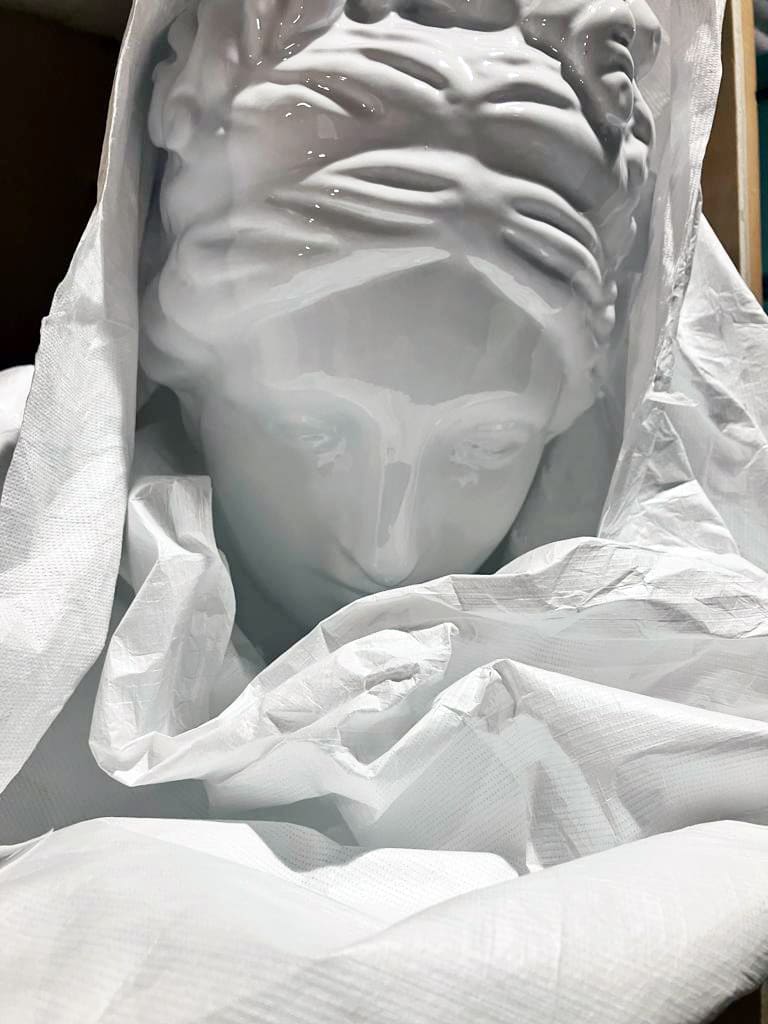
CABEZA DE ESCULTURA CERáMICA BLANCA
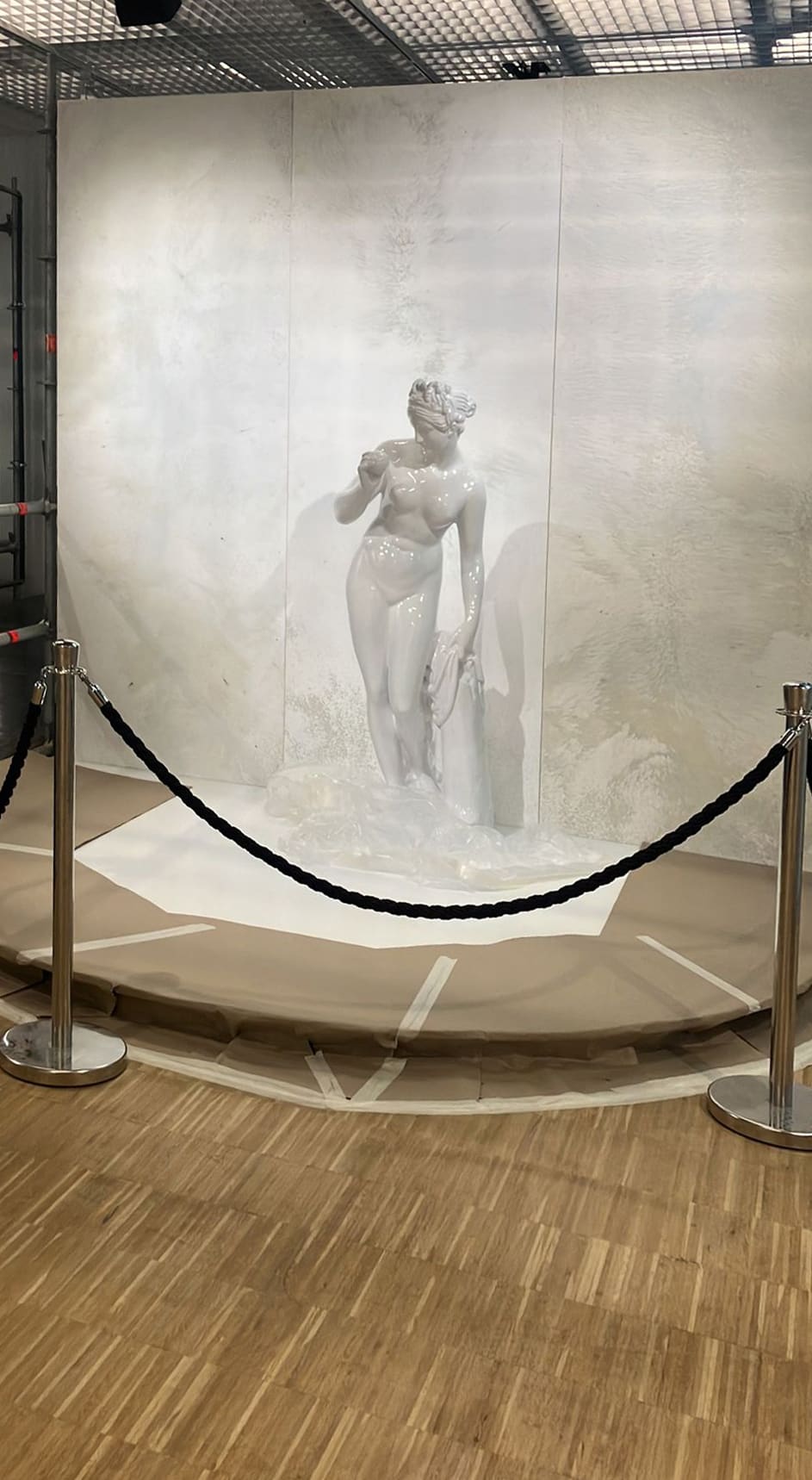
PIEZA ESCULTóRICA DE LA EXPOSICIóN THROAWAY
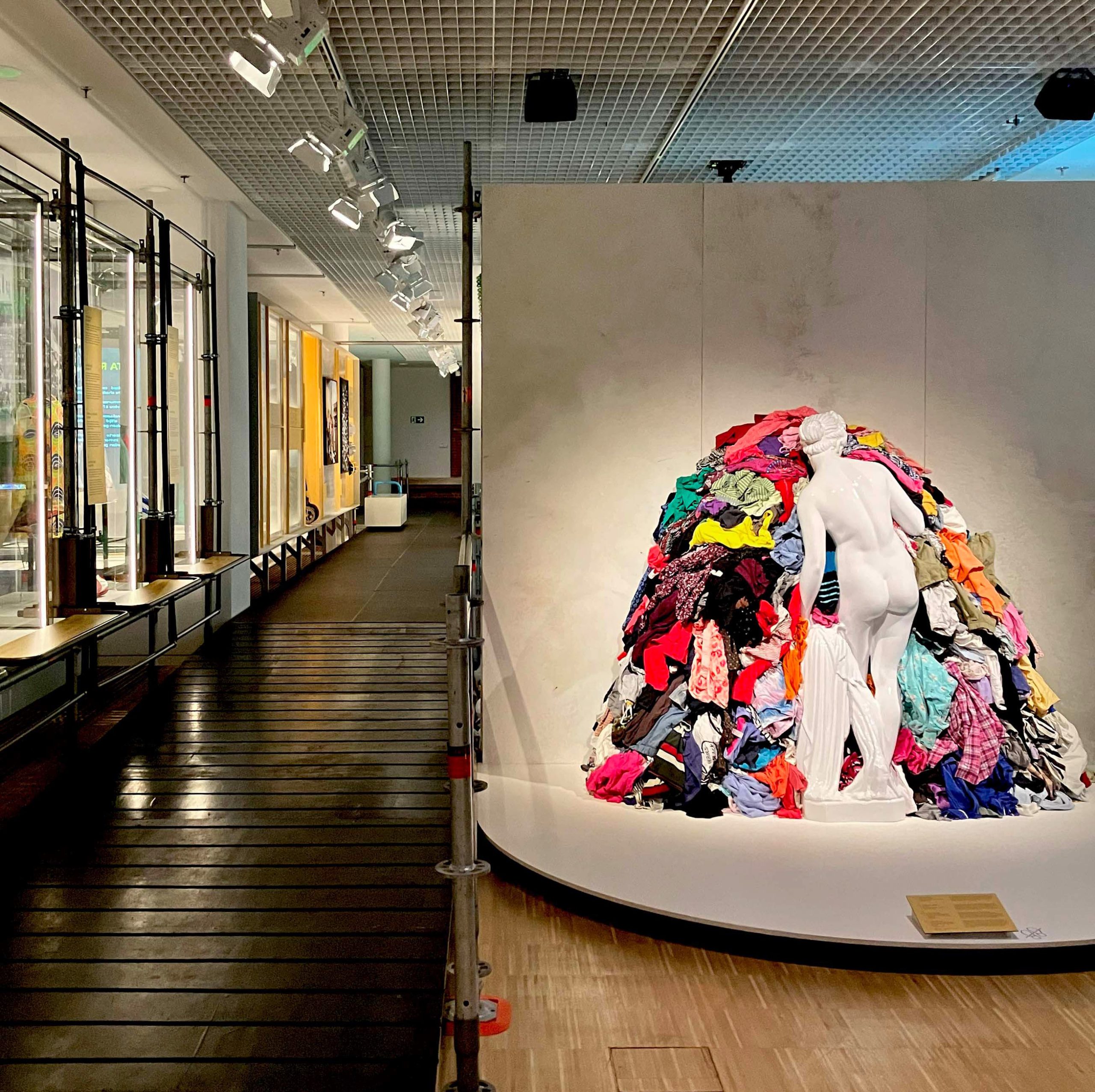
ESCULTURA Y MONTAñA DE RESIDUOS TEXTILES EN LA EXPOSICIóN THROAWAY
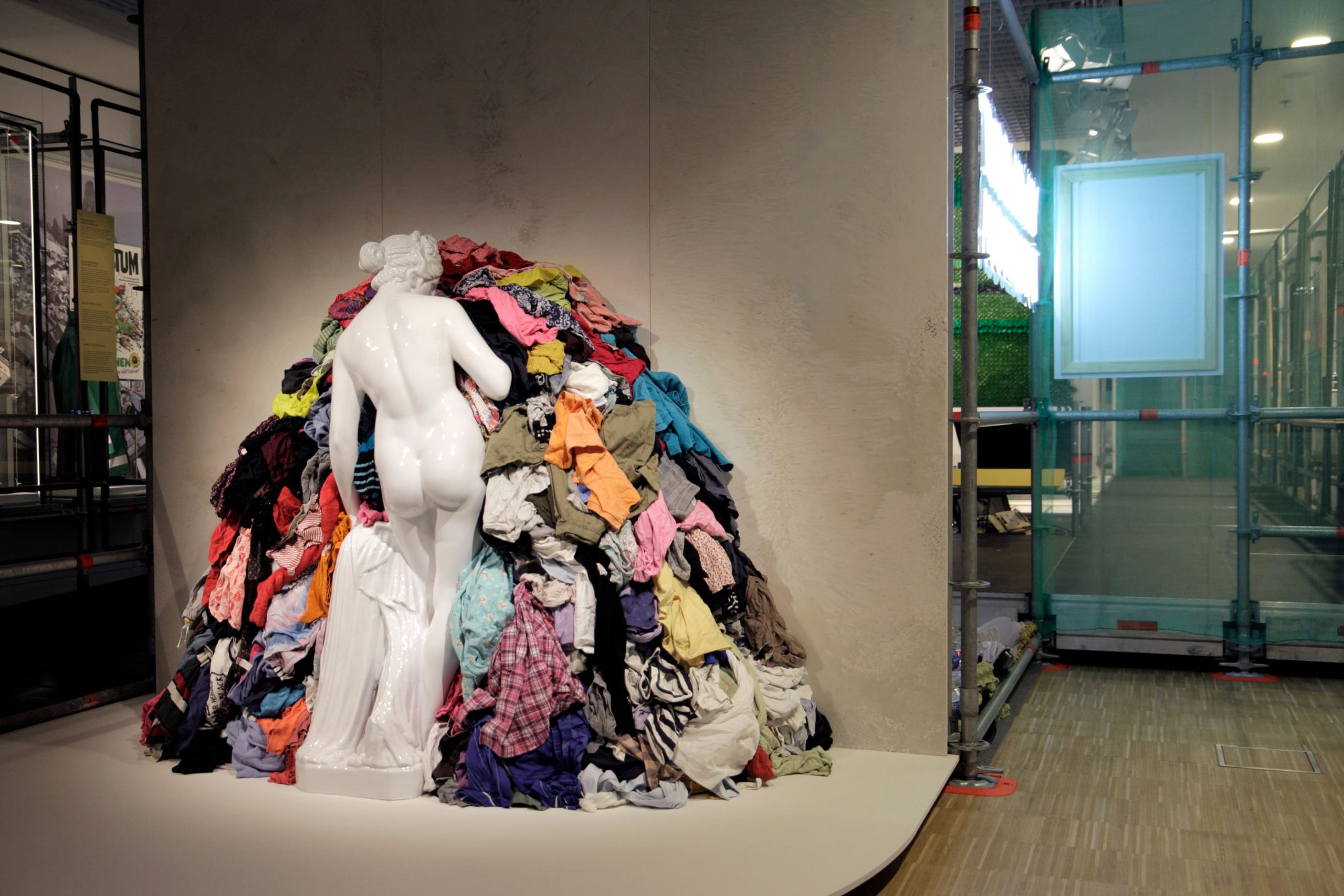
ESCULTURA JUNTO RESIDUOS TEXTILES. PIEZA DE LA EXPOSICIóN THROWAY

